Home lighting and interior lighting design: how to create a light architecture that inspires

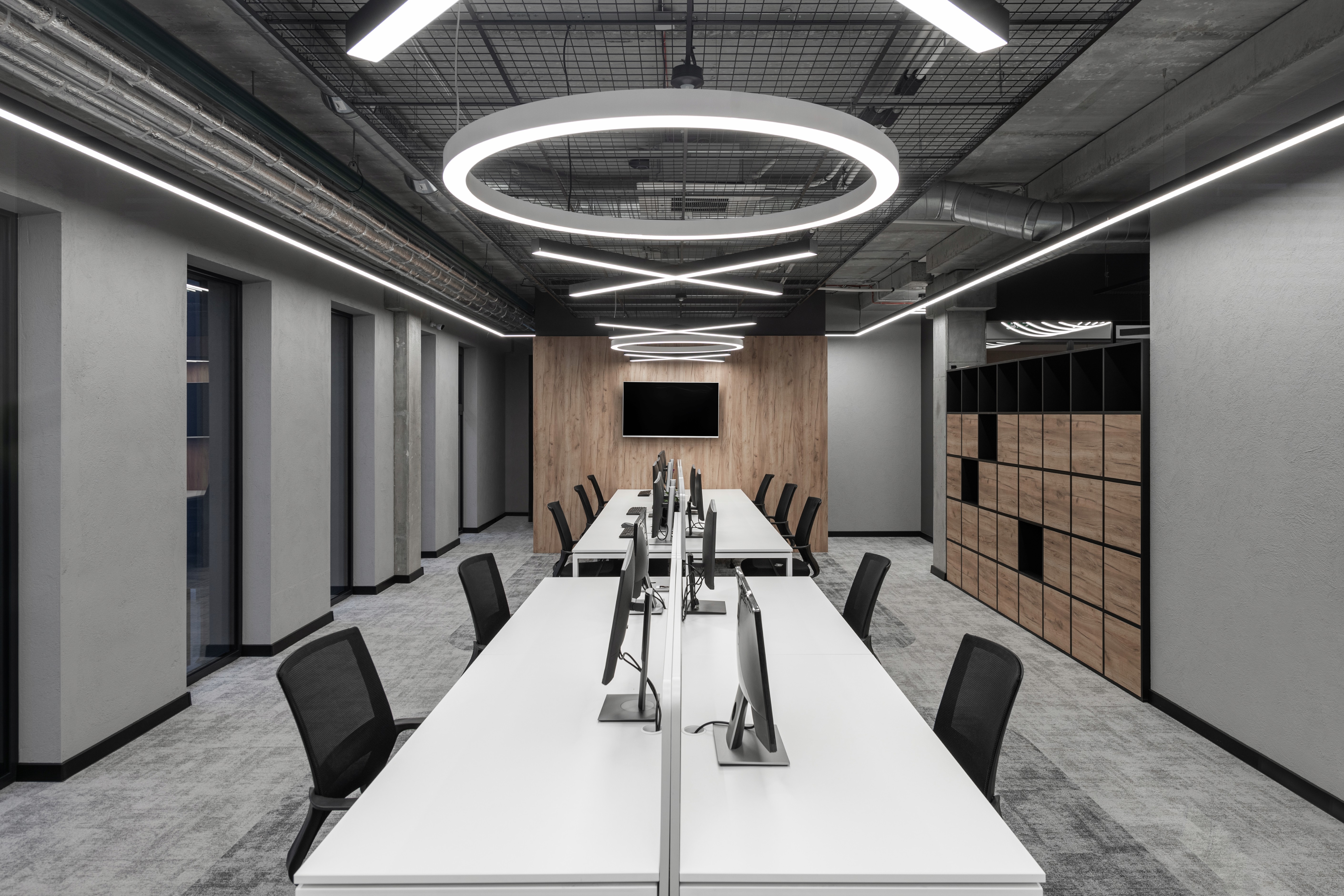
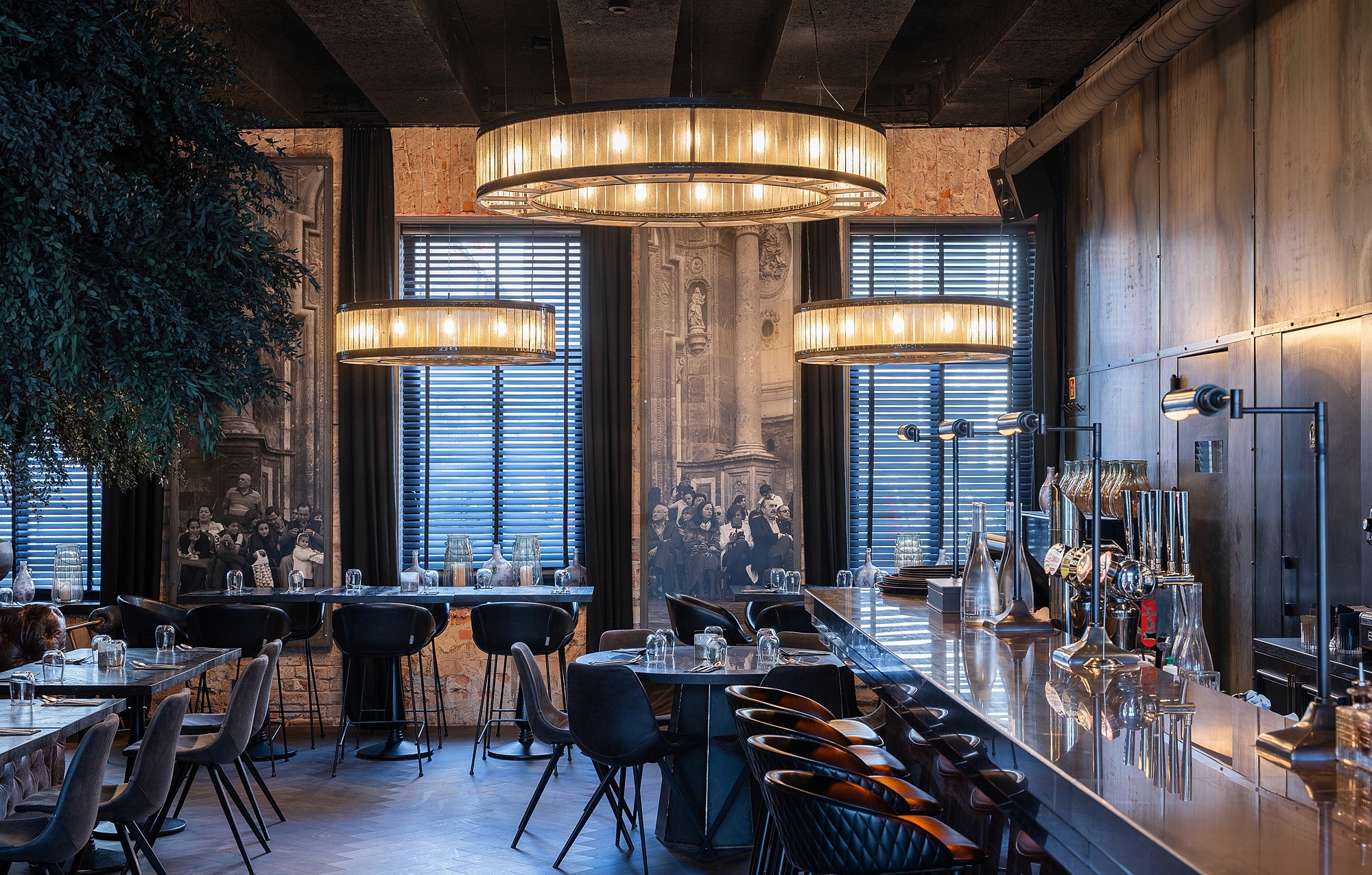
Home lighting is one of the most important elements of interior design, shaping the mood, functionality, and everyday comfort of a space. Well-planned interior lighting not only illuminates spaces but also creates what is called light architecture, which subtly complements the design of the space and adapts to different life situations.
One of the main principles of creating quality home lighting is layered lighting. It combines general, functional, and accent lighting, allowing for both aesthetic balance and practical comfort. Brighter and more focused light is needed in kitchens, work, or reading areas, while softer, indirect light is more important in relaxation spaces, creating a sense of coziness and tranquility. Modern LED lighting solutions for homes allow for flexible management of these layers, adjusting light intensity and adapting to the rhythm of the day or individual needs.
Equally important is the color temperature of the light, which directly affects the emotional atmosphere of the space. Warm white light creates a cozy, relaxing feeling, which is why it is most often used in living rooms and bedrooms. A more neutral light provides a sense of cleanliness, clarity, and visual order, making it suitable for kitchens, bathrooms, or work areas. A properly balanced combination of different light colors allows for changing the mood of a room without any additional interior solutions.
With increasing technological possibilities, smart lighting control plays an increasingly important role in home lighting. Automated LED systems allow the light to adapt to the rhythm of life, responding to the time of day, movement, or predefined scenarios. This solution not only increases comfort but also allows for more efficient use of energy, avoiding unnecessary lighting.
When planning a renovation or new home lighting, it is worth incorporating lighting solutions at an early stage. Professional lighting design helps create a harmonious light architecture where aesthetics, function, and technology work as a cohesive whole, and light becomes an integral part of the home atmosphere.