Premium lighting for living spaces 2026: modern, architectural, and smart solutions for homes
Premium lighting today means more than just an aesthetic lamp or a greater amount of light. It is a thoughtful light architecture that shapes the character of the interior, highlights materiality, and creates lasting comfort. The direction of lighting for living spaces in Europe in 2026 is focused on integrated, minimalist, and smart solutions, where light becomes a natural part of architecture.
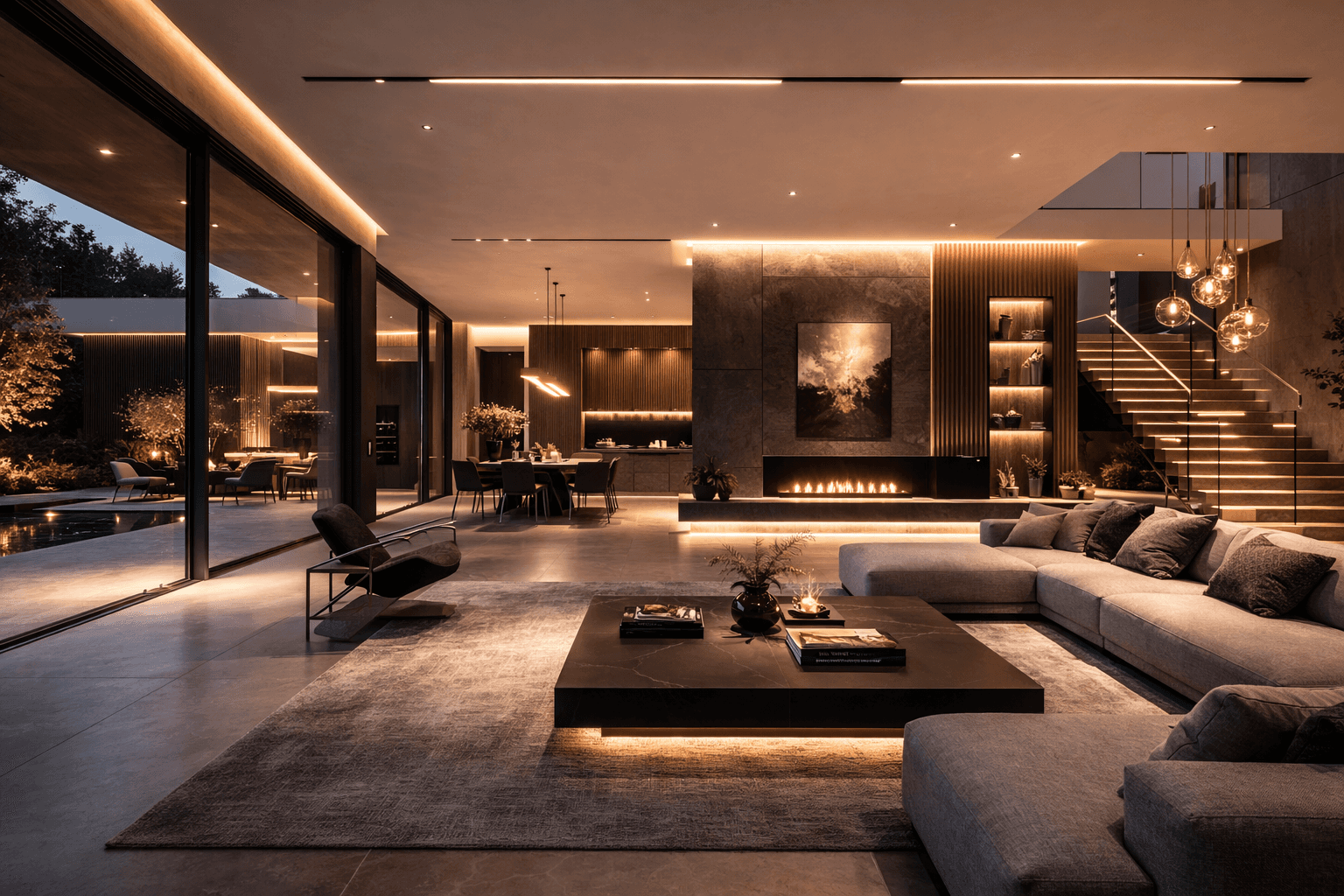
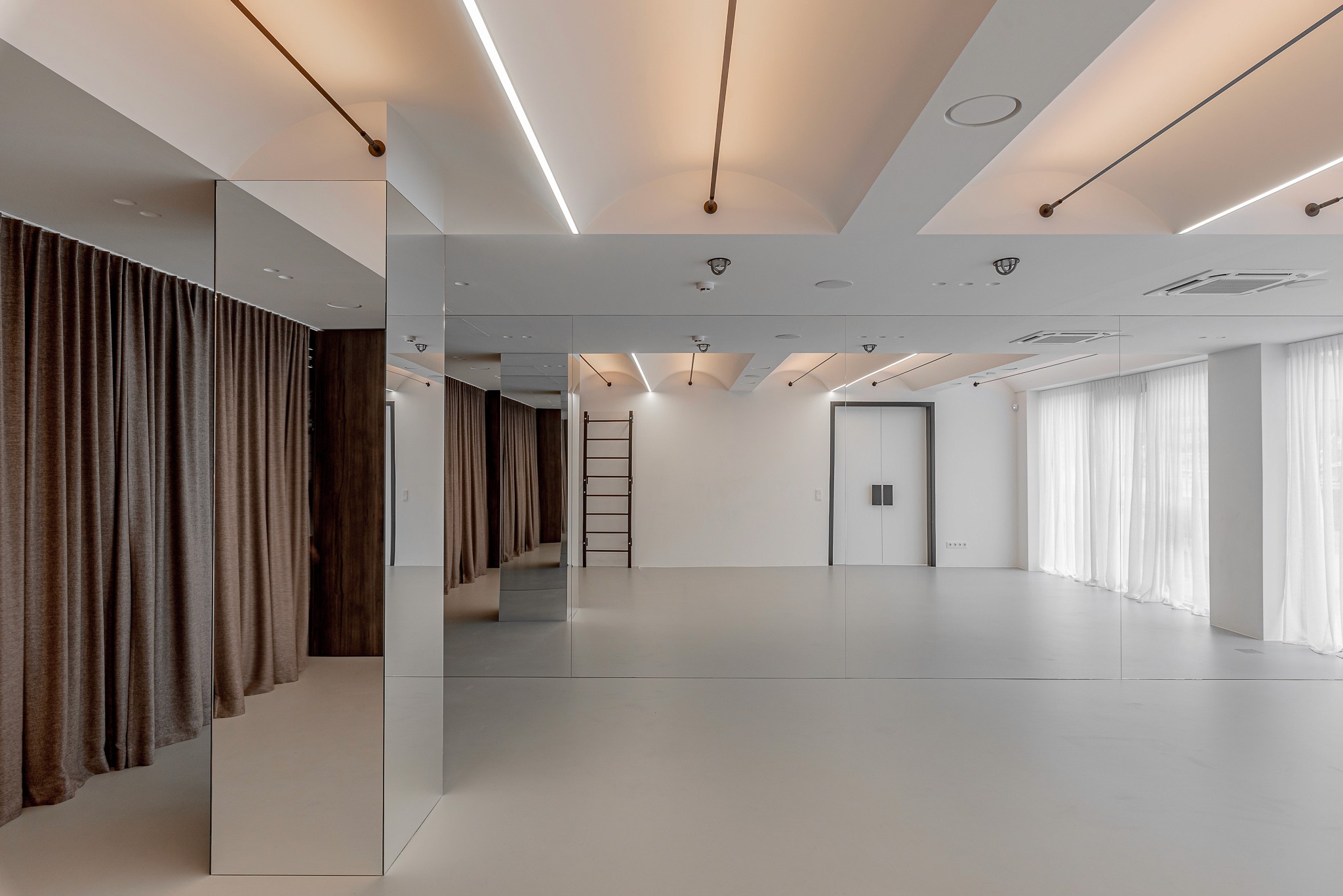
In modern premium interiors, architectural lighting is increasingly chosen, where the light source remains almost invisible. Recessed frame-less lamps, linear LED lighting in ceilings and walls, hidden light in niches or furniture allow for a clean, visually calm result. Such solutions require planning at the early stage of the project, as only pre-planned integration can achieve a coherent and professional outcome.
Premium lighting solutions for homes are always based on the principle of layering. One central lamp can no longer ensure functionality or aesthetics. General lighting provides orientation in space, functional lighting is intended for specific activities, and accent lighting highlights architectural elements, textures, or works of art. Decorative lamps become subtle design accents that complement the overall light composition. This type of interior lighting design allows for the creation of different scenarios and easily changes the mood of the space.
Smart LED lighting is becoming standard in higher-end residences. Dimmable systems, adjustable color temperature, and tunable white solutions allow for adaptation to daily rhythms and individual needs. In living areas, warm 2700 - 3000K light is most often chosen, creating a sense of warmth and tranquility, although a dynamic system allows for adjusting lighting based on the time of day or situation. Properly designed smart lighting ensures not only comfort but also energy efficiency.
The essence of premium lighting lies in the atmosphere. A high color rendering index allows for accurate reproduction of material shades, while controlled glare levels prevent visual discomfort. Directional accent lighting and subtle shadows add depth and structure to the space. Professional lighting design helps avoid a flat, overly bright environment and create a balanced, architecturally mature interior.
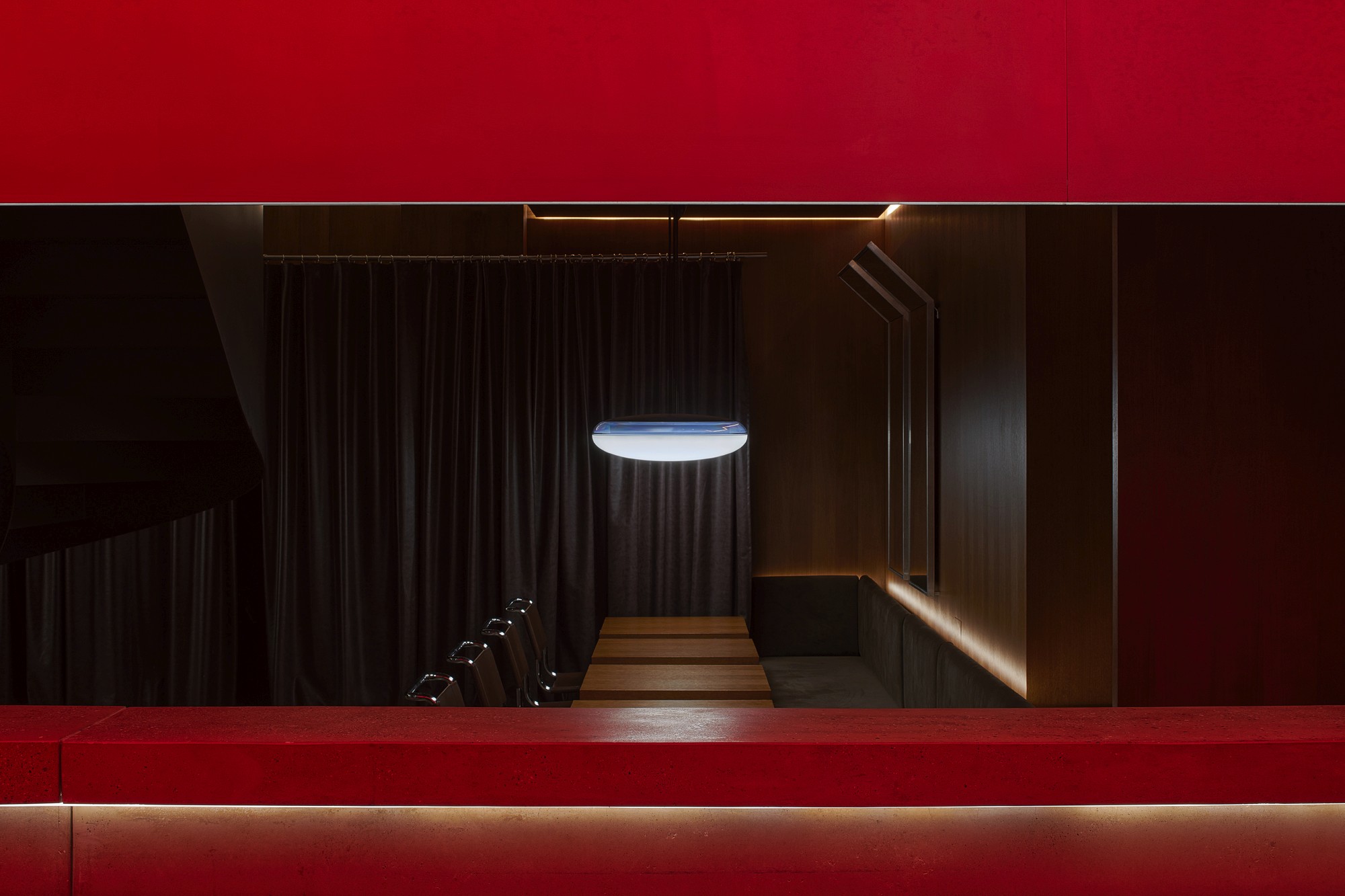
Although integrated LED lighting dominates, decorative lamps remain an important part of the composition. They are most often used above the dining table, at the center of the living room, or in accent areas of the bedroom. It is important that decorative elements harmonize with the overall lighting solution and do not overshadow other layers of light.
Premium lighting is a long-term investment. High-quality LED modules, reliable power sources, and professional design ensure stable performance for many years. Durability, energy efficiency, and the ability to upgrade or change components become important criteria when choosing lighting solutions for homes.
To create a top-tier result, it is worthwhile to start lighting design alongside interior creation. By combining architectural, functional, and accent lighting, selecting quality LED solutions, and integrating smart control, a light architecture is created that remains relevant for many years and becomes an integral part of the living space.