Lighting ideas for a modern home: architectural and smart solutions
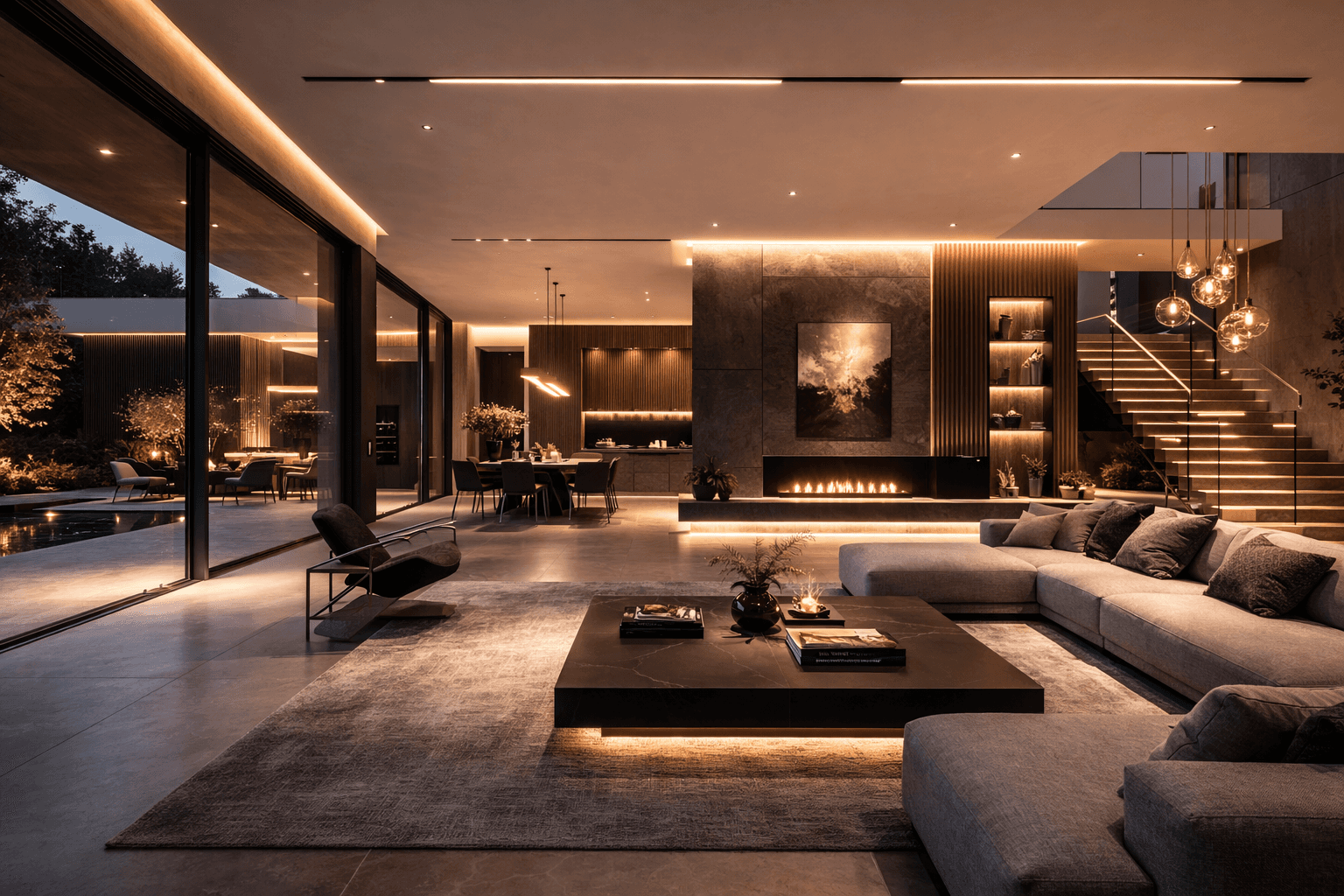
Lighting ideas in a modern home should not be limited to decorative choices or individual light fixtures. In a modern interior, light becomes part of architecture - it shapes the proportions of the space, highlights materials, and creates a coherent atmosphere. Properly planned lighting is not an additional element, but an integrated part of the entire project.
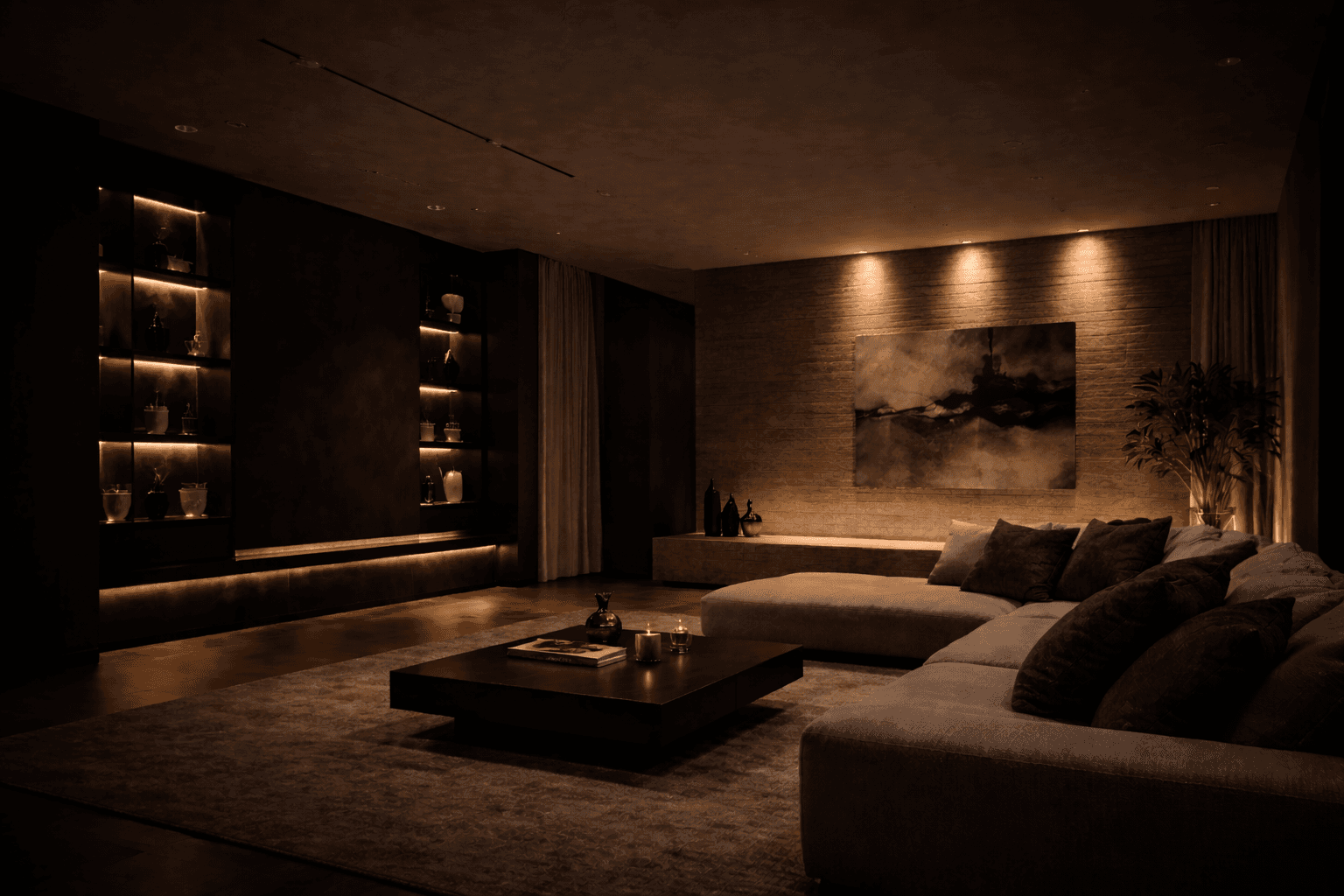
One of the most important directions is architectural, integrated lighting. The light source often remains unnoticed, while the light itself subtly shapes the space. Linear LED lighting in ceiling and wall surfaces, hidden lighting in niches or furniture, and even wall washing with light make it possible to maintain visual cleanliness and emphasize the interior structure. Such solutions are especially important in larger living spaces, where proportion and scale must be maintained precisely.
When creating a modern home, layered lighting is important. General light background ensures orientation, functional lighting is intended for specific zones, while accent lighting helps highlight architectural elements, textures, or works of art. Layers of light allow you to create a clear visual hierarchy and avoid uniform, flat lighting, which often reduces the depth of the interior.
Increasingly, living projects integrate adjustable color temperature solutions. The ability to change the shade of light allows the environment to be adapted to different times of day and activities. Brighter, more neutral light suits active areas, while warmer light suits relaxation spaces. Such dynamic lighting provides flexibility and helps maintain comfort without abrupt contrasts.
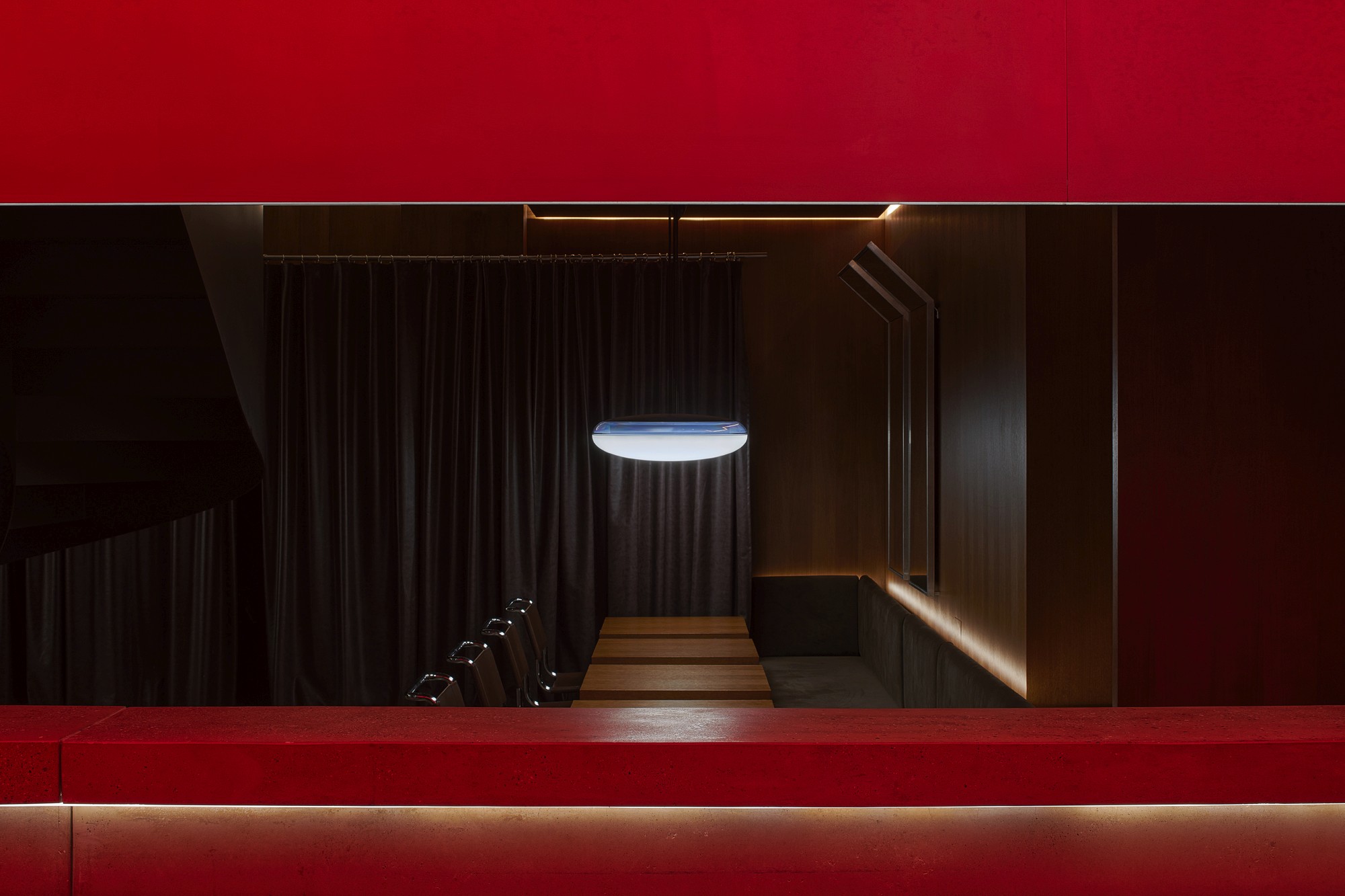
Accent lighting becomes an important compositional tool. Directional light sources make it possible to highlight vertical surfaces, niches, stair structures, or works of art. The subtle relationship between light and shadow gives the interior depth and helps reveal the character of materials. In this case, light does not dominate, but complements architecture.
Smart lighting control also becomes a natural part of a modern home. The ability to control different zones, create scenarios, or adjust intensity allows light to adapt to the rhythm of daily life. A properly designed LED system ensures stable operation, energy efficiency, and long-term reliability.
Lighting ideas for a modern home should be viewed as part of the whole. Light is planned together with architecture and interior solutions, taking into account the scale of the space, materials, and function. Such an approach makes it possible to create a balanced, coherent result that remains relevant for many years and becomes an integral part of the living environment.